Thursday, 7 February 2013

Newsquiz is back. Kieran and Lizzie's 12 to beat


I have been in Northcliffe House all week working with trainee journalists on Mail Online. The trainees have had an intense week with talks from Quentin Letts, chief reporter David Williams, senior reporter Christian Gysin, business correspondent Becky Barrow, video journalist Melanie Edgar, Online night editor Elizabeth Hammond and former trainees, now established seniors, Ben Bailey and Peter Campbell. There were also forensic copy and headline sessions and a newsroom tour. They managed a brief break when they met former trainees in the Greyhound for drinks on Tuesday evening. For the next three weeks they are at PA's Howden training centre and then off for their regional newspaper placements. Tomorrow they are out finding exclusive stories so we finished today with the news quiz, just to ensure everyone is reading the paper and the website. Congratulations to Kieran Corcoran and Lizzie Edmonds who were joint top with 12 out of 22, narrowly pipping Wills Robinson with 11. I expect to see a higher set of scores next week. If you think you can do better … here are the questions. 
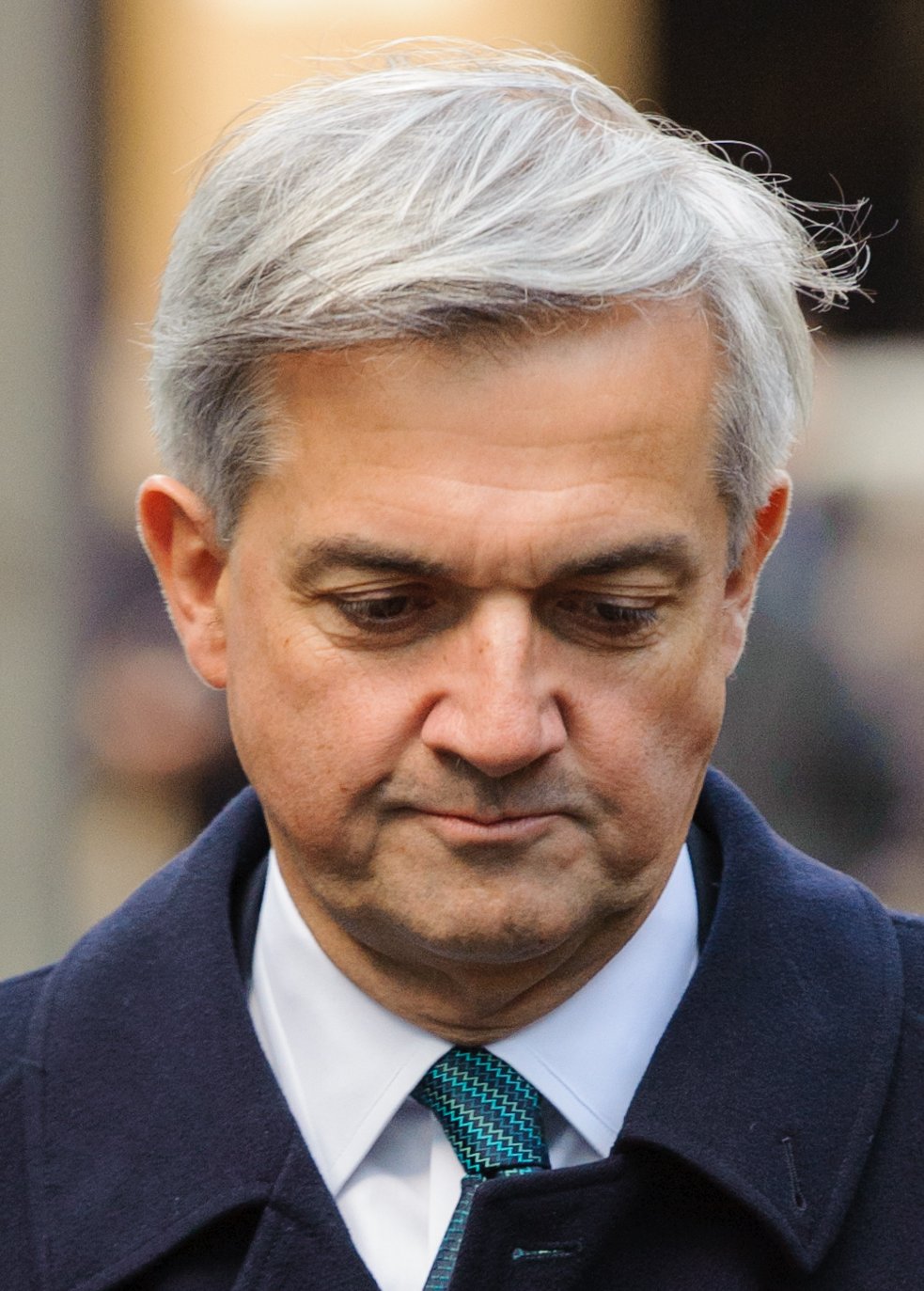
Chris Huhne (Q1-3)
 Richard III (Q4)
1. Chris Huhne has been the big story of the week but what constituency did he represent?
2. What motorway was Huhne travelling on when clocked for speeding?
3. And what position did Huhne most recently hold in the Cabinet?
4. Richard III died in which battle in 1485? And for a bonus, Richard Of York Gave Battle In Vain, is used to remember the colours of the rainbow. What is the word that defines this type of learning aid?
5. How many MPs voted in favour of the introduction of gay marriage? And for a bonus, how many Tory MPs voted against?
6. Who scored England's goals in the 2-1 victory against Brazil?
7. Dale Cregan, charged with the murder of PCs Nicola Hughes and Fiona Bone, appeared in which court?
8. According to the British Journal of Sports Medicine, watching television for more than three hours a day causes what to be cut in half?
9. Who won the Super Bowl?
10. Staff from which company tweeted: “We're all being fired! Exciting!!”?
11. From which year must all dogs be microchipped in England?
12. Which troubled celebrity flew to Phoenix, Arizona?
13. Who posed as a 'caller from Islington' during a phone-in to Nick Clegg?
14. Which kitchen item has been listed as the 'biggest dust gatherer' in a top 10 unused kitchen gadget list compiled by Direct Line?
15. Which Dragon has quit the Den?
16. What did Liberty Global buy?
17. Who or what was fined £390m for 'widespread misconduct'?
18. The Education Secretary Michael Gove announced a U-turn on replacing GCSEs with EBCs. Spell the word that the B stands for.
19. Sir David Nicholson was in the headlines. What is his job title?
20. A cat is to replace which 'token' in Monopoly? 


Thursday, 24 January 2013

Newspaper bills: the good and not so good


Here's an interesting location for this Jessops bill from the Leicester Mercury ... right outside the Jessops store. It certainly reinforces the relevance of the story. This is just one of several examples that have been sent my way following my pieces on the art of newspaper bill writing (here and here). Some are good, some not so. 


This one from the Hackney Gazette perfectly demonstrates the danger in leaving old bills behind the new ones. Unfortunate - not least for the unluckiest man in London.

The sole purpose of the bill is, of course, to make the reader pick up the paper - so you be the judge as to whether these ones work. 


There are certainly some here that would tease the reader to buy. If you have any bills that have worked (or didn't), please let me have them on petersands@mistral.co.uk.

Tuesday, 22 January 2013

Local World vacancies as editors move on


Two of Northcliffe's heavyweight editors are bowing out. Ian Mean (left), veteran editor of the Gloucester Citizen, is taking on a new role as content director of Local World's South West titles. Philip Welch (right), who has enjoyed 43 years in regional newspapers, is retiring from the Mid Somerset Series and Somerset Standard, based in Wells, in May. He has been editor there for 15 years. Both are great newspapermen and I wish them well. Their moves have left a couple of vacancies for editorships in Local World. If you are up for it the details for the Citizen job are here and the Wells job advert is here

Adverts breaking out of the box


This advert, with balloons floating into an inappropriate story, rightly caused a flurry of disapproval on Twitter. It is pretty awful. But it's the execution, not the concept, that's the problem. Any sub or layout artist faced with this advert should have opted for a lighter story, rather than one about baby deaths. Insensitive at best, crass at worst. There has been a move towards 'radical' advertising in recent months. Adverts, once hemmed in at the bottom of the page and dominated by editorial, have been breaking out all over. Adscapes have allowed advertisers to think out of the box. Now we see adverts at the top of a page with editorial below or adverts jutting into copy. The rigid borders have been breached. Here are some recent examples:


None of these are offensive. Some are very good. I wouldn't even say they were particularly radical. Magazines have been doing this kind of thing for years. Some newspapers have slaughtered other sacred cows. Pages 2, 3 and the back, once fiercely guarded by editors (myself included), have become attractive and legitimate slots for advertisers.


The South Wales Evening Post carried this advert for Swansea FC's new centenary kit on pages 2 and 3. Nicely done, with big impact and huge local relevance.  


Even the front page has come up for grabs. I was as surprised as anyone to see The Guardian, Independent and Daily Telegraph dressed in Vodafone's bright red last October. 


It followed The Sun giving its front and back over to Sky 3D in July. For free newspapers such as Metro, this was always an option ... but it was a no-go area on paid-for dailies. All that has now changed. 


The Hull Daily Mail came up with a variation, and managed to protect its splash, with this an interesting approach - a translucent wrap - last year. 


I was also interested in this cover from the Lincolnshire Echo. The paper was campaigning to save Lincolnshire Prison from closure and recruited the support of leading local lawyers who paid for the privilege of arguing the case on Page 1.
All of this would have made me wince 20 years ago when I was editing a daily paper. Many a time I arm-wrestled with the advertising manager over inappropriate adverts - both in content and design. The bout would often end with me throwing the advert out. The editor was king.
But extraordinary times require extraordinary measures. The odd jagged-edged advert is not the solution, merely a start. If newspapers are to thrive, they need a new approach to advertising, sponsorship and partnerships. They need to look after their clients, provide them with solutions not simply sell them space. They need to be their agents, running their portfolios, assisting them with their marketing campaigns and maintaining their websites. They need to guarantee response. A third way and a different model are crucial. Editors need to sit firmly in the middle of the commercial operation. Radical revenue hunters (and the circulation people) might sit on the news desk looking for opportunities with every story. 
That doesn't mean, of course, that editorial has to capitulate and allow the commercial department to run riot with its clipart and yellow star bursts. Editors need to ensure advertising is creative, well designed, of good taste and  inkeeping with their title's strategy and brand. They need to watch for dodgy juxtapositions. And mostly they need to continue to provide value, protect the credibility of their titles and ensure readers are not duped. They still have the right to throw out unsuitable ads. 
We all know that advertising forecasts for the newspaper industry for 2013 are challenging. But one thing is certain. If all we have to offer our customers is a 'take-it-or leave-it' rectangle in a pre-determined down-page spot, with no guarantee of response, then we will all be heading to the great Press hall in the sky sooner rather than later.   


Monday, 21 January 2013

Good graphic, bad graphic


Here are two topical graphics at different ends of the scale. This one, from Canada's National Post, on the number of gun deaths in the US in the month following Sandy Hook, is excellent. The first rule of graphics is to make the information easy to understand. Even without studying the detail you get an immediate understanding of the scale of the very scary problem.
On the other hand, this one on the USA cycling scandal can only be described as infographic hell. Please only take a look if you have headache tablets to hand. As designer David Bailey  said on my Twitter account it looks like someone stuck their Panini Sticker collection on the London Underground map. He has a point, except that the underground map is easy to follow. This one is just impossible.

Sunday, 20 January 2013

The clue is in the masthead


Here's an innovative idea from Cumberland County's Sentinel in America. The paper has responded to readers' requests to carry the New York Times' crossword, seven days a week. Such a coup had to go on the front - so why not flag it up by setting the masthead as a line from a crossword? The execution might have been a bit slicker, but a good idea nonetheless. The full story is on the excellent Charles Apple blog here.

Saturday, 19 January 2013

Things you might miss by reading a paper


I have been away from the laptop for a month or so ... and am now playing catch-up. This is one of the more interesting things that I missed. It's a powerful marketing video by Newspaperswork, the marketing platform for Belgian newspapers, to remind advertisers of the compelling nature of the printed word. It's clever, funny - and brings home the point brilliantly. Enjoy.

Monday, 10 December 2012

Mail looking for trainee subs and reporters

This year's reporting course at the PA offices in London
The Daily Mail is now recruiting trainees for its autumn schemes for reporters and subs. The successful applicants will probably be on a post-grad journalism course and have a fair amount of newsroom experience. The deadline for applications is January 11. The courses, which involve several weeks training followed by placements on regional newspapers, begin in September. If you are interested send CVs and six examples of your work to Sue Ryan at sue.ryan@dailymail.co.uk. The subbing scheme has been running for ten years and many of the senior subs on the paper - in both news and sport - are graduates of the course. The reporting course has been running for five years. Its graduates include Matt Sandy, who won young journalist of the year in the British Press Awards last year, and Fay Schlesinger, joint winner of the investigation of the year award at the British Journalism Awards earlier this month. If you are applying for any of these courses you might want to take a look at my advice on how to prepare for an interview. Good luck. More details on Hold the Front Page